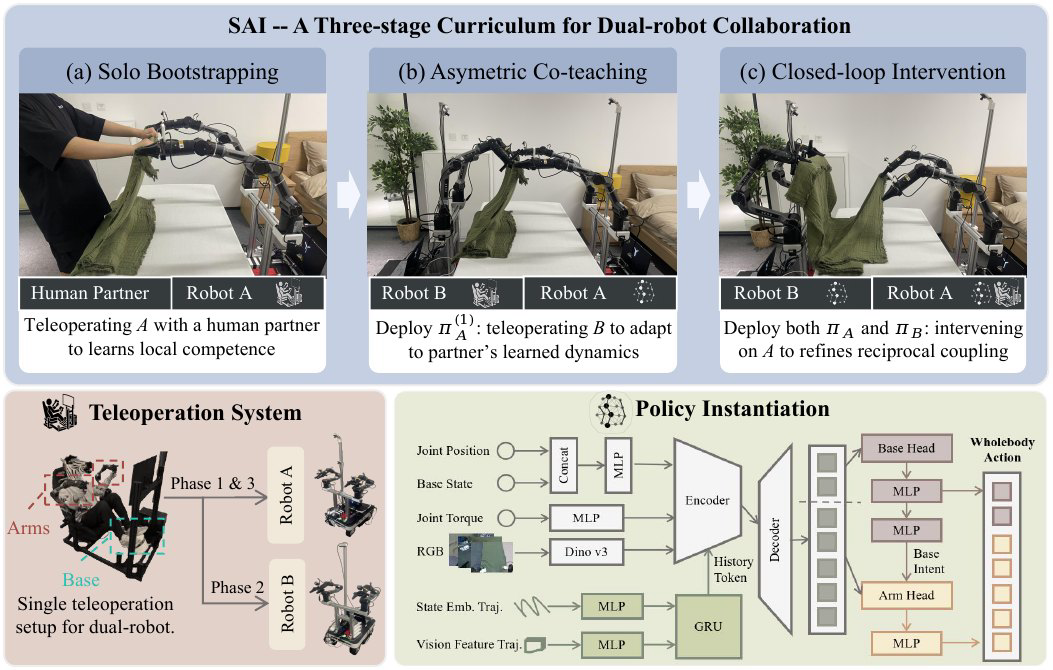
Robots that Collaborate: Sequential Asymmetric Imitation
Learning to wait, yield, and recover as a partner changes the task.
Read paperPublications
From motion planning and human contact to memory and multi-robot interaction, these papers follow one question: how can a robot act without losing sight of what — or who — its next action affects? These are selected works; the full research history is on Scholar.
Learning to wait, yield, and recover as a partner changes the task.
Read paper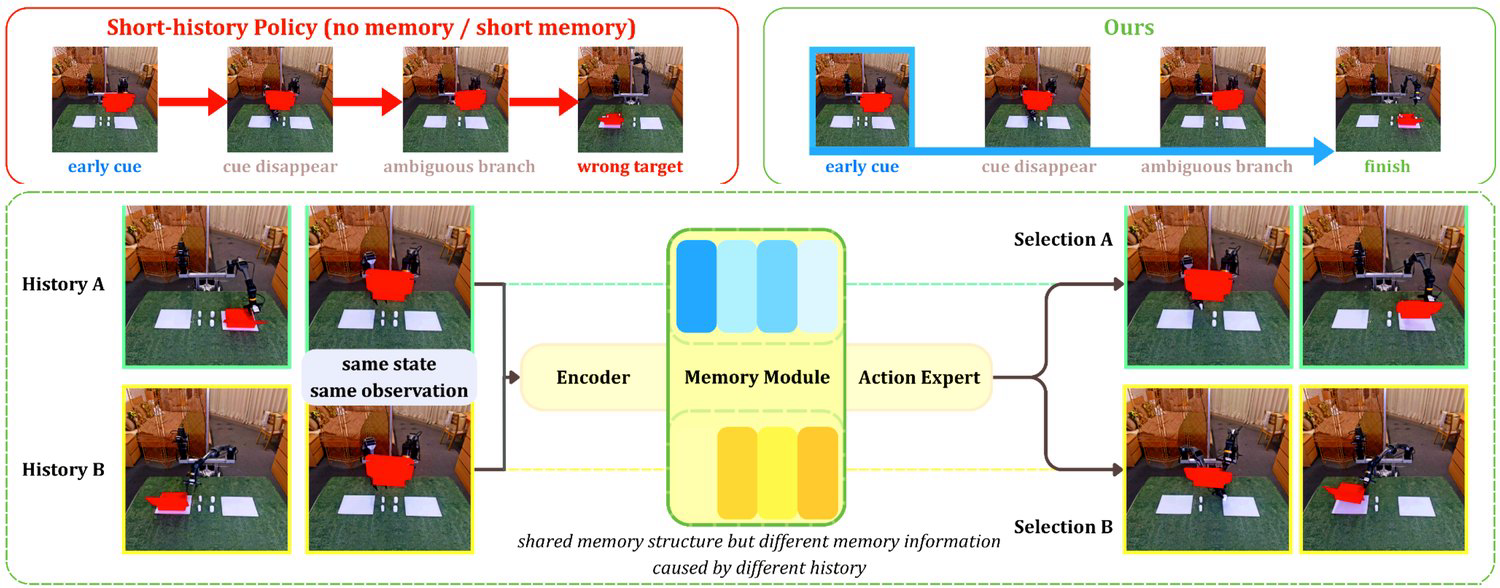
Carrying evidence forward when the clue has already left the scene.
Read paper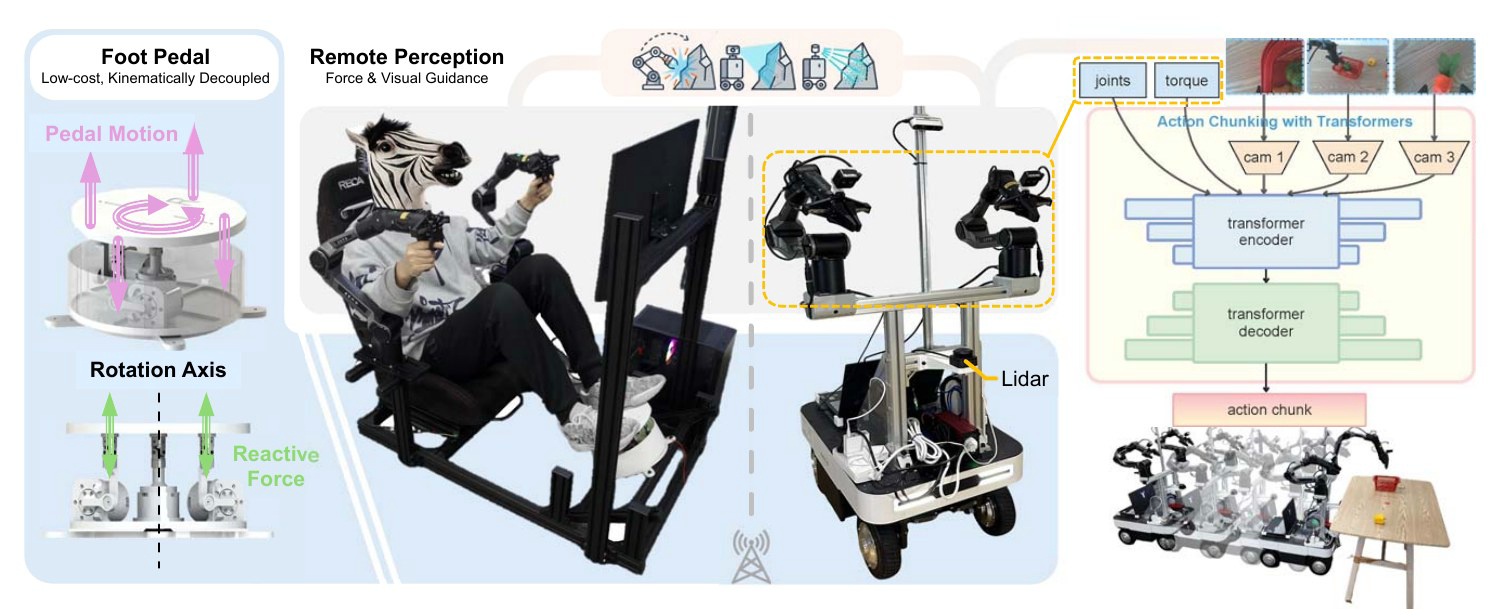
Giving hands and feet a shared language for contact, reach, and motion.
Read paper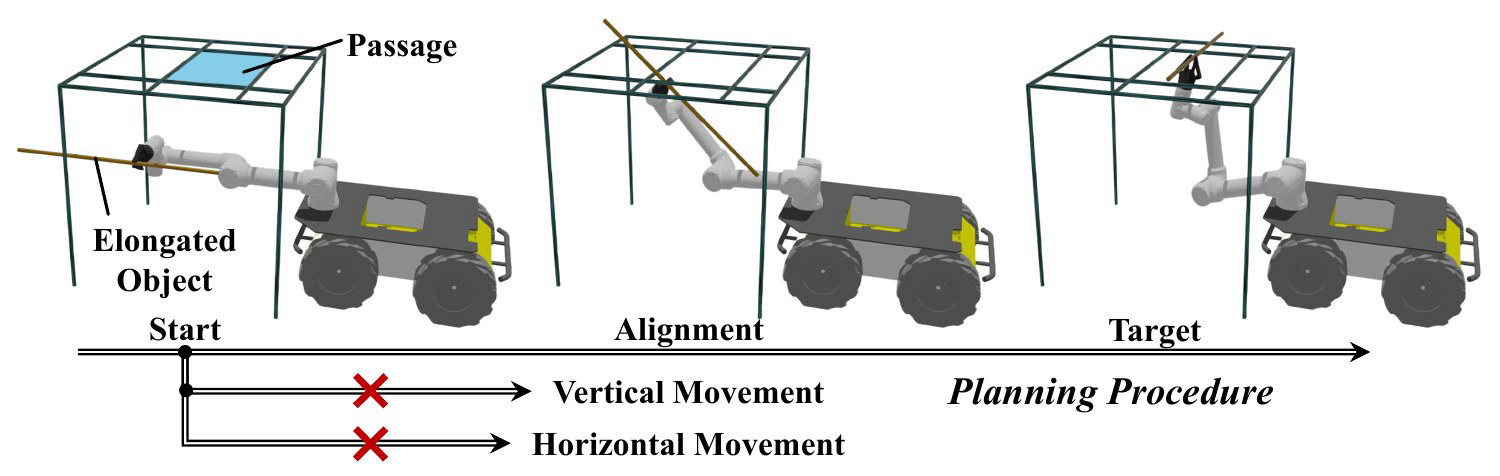
Finding the passage before searching the high-dimensional motion space.
Read paper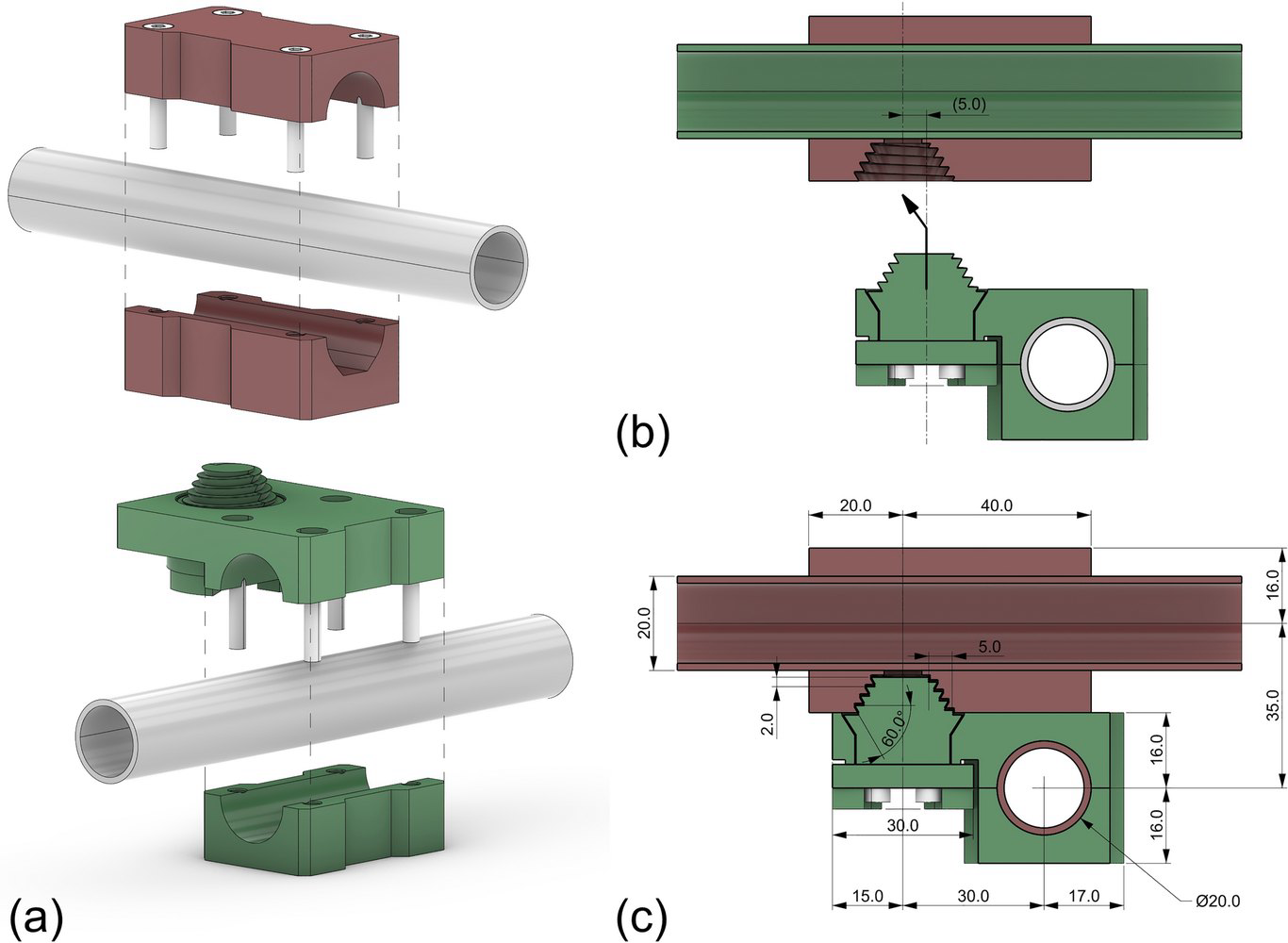
A tapered connector turns imperfect alignment into a reliable assembly step.
Read paper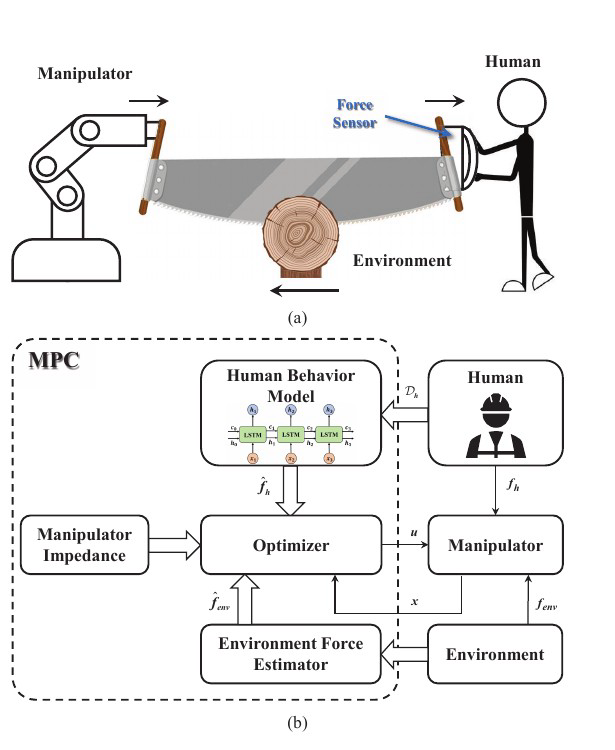
Predicting human intent while optimizing motion around real contact.
Read paper